
You've spent hours scrolling, pinning, and saving. Your boards are full of beautiful rooms, but when you try to translate that inspiration into your own space, something gets lost. The result is often a collection of individual items you like, but not a cohesive home that feels truly yours. It's a common problem: the paradox of choice in a world saturated with trends.
The secret isn't about having a bigger budget or a better eye for trends. It's about having a better framework. This guide is designed to give you that framework, moving you from a reactive shopper to a confident curator of your own environment. We're going to build a strategy for acquiring stylish home goods that you'll love for years, not just a season.
Finding stylish home goods means defining your personal aesthetic before you shop. Focus on a core style like modern minimalist or eclectic maximalist, then strategically source high-quality anchor pieces and unique accents. This approach ensures a cohesive, personal space rather than a collection of fleeting trends.
The Fundamentals: Moving Beyond 'I'll Know It When I See It'
The 'I'll know it when I see it' approach is a recipe for a disjointed home. It leads to impulse buys that don't work together, creating a space that feels chaotic rather than curated. The move here is to establish a 'style thesis' for your home before you even think about adding to your cart. This is your north star for every purchasing decision.
Ask yourself what you want your home to feel like. Is it calm and serene, or vibrant and energetic? A few common aesthetics include:
Modern Minimalist: Characterized by clean lines, a neutral color palette, and a focus on function. Think uncluttered spaces where each object is chosen with intention.
Bohemian/Eclectic: A layered, personal style full of color, texture, and objects collected over time. It's free-spirited and breaks traditional design rules.
Mid-Century Modern: Featuring organic shapes, natural materials like wood and leather, and a clean flow between indoors and out. It's timeless and sophisticated.
Industrial: Inspired by warehouses and urban lofts. This style embraces raw materials like exposed brick, metal, and concrete.
You don't have to pick one and stick to it rigidly. The point is to identify the core DNA of your taste. Once you have this, every decision becomes simpler.
Sourcing Smart: Where to Find Your Anchor Pieces
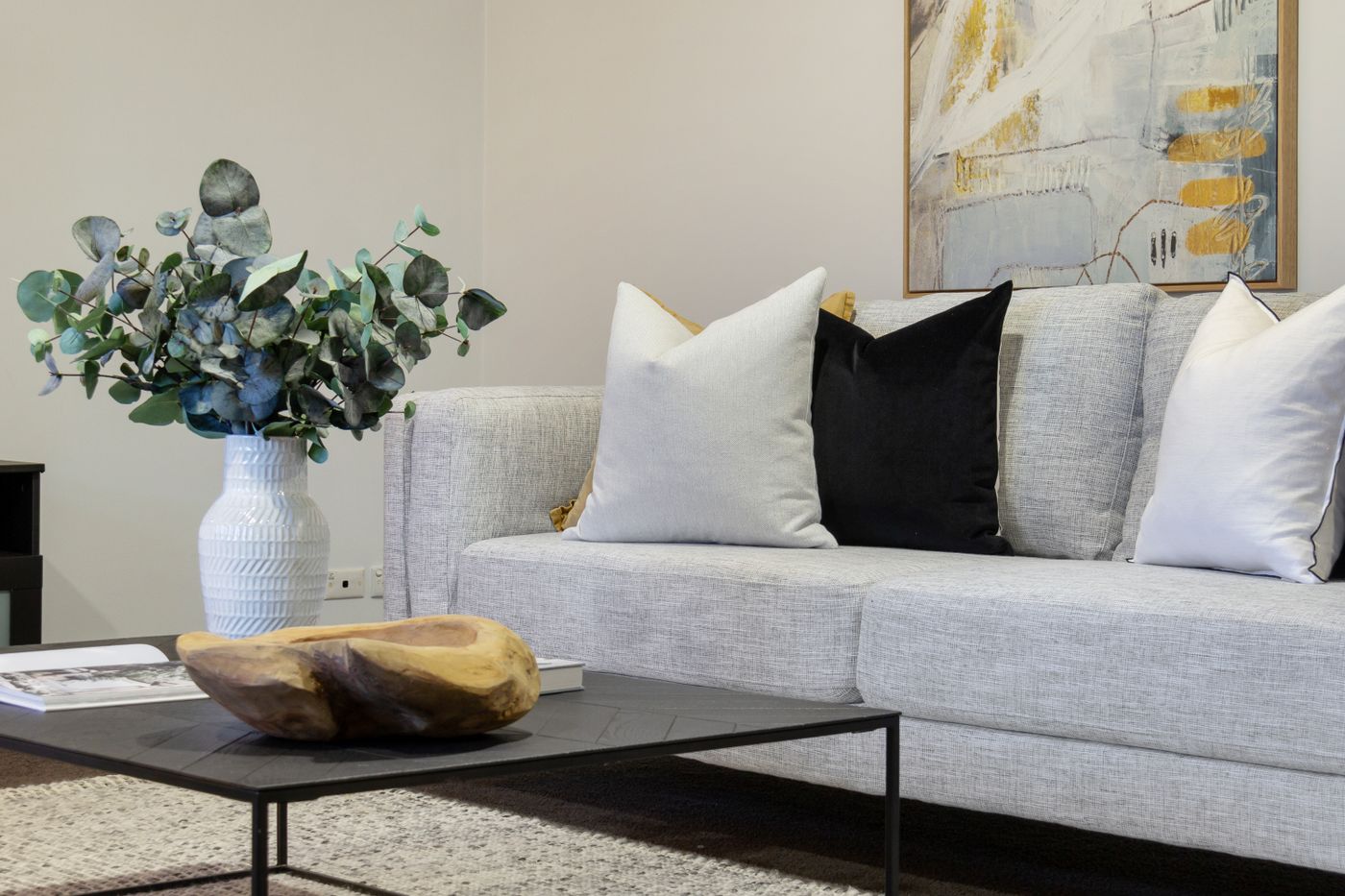
Now that you have your style thesis, you can start sourcing. A common mistake is treating all purchases equally. Instead, think in terms of anchor pieces and accents. Anchors are your investment items: the sofa, the dining table, the bed frame. Accents are the supporting cast: pillows, throws, art, and decorative objects.
Where you shop for these items matters. Each source has its own set of trade-offs. We've seen teams get this wrong by trying to buy everything from one big-box store, resulting in a home that looks like a catalog page. Here's how we'd break it down:
|
Source |
Price Point |
Uniqueness |
Best For |
|
Large Retailers |
Low to Mid |
Low |
Basic essentials, filler items, and trendy accents you don't expect to keep forever. |
|
Curated Online Boutiques |
Mid to High |
Medium to High |
Finding unique stylish home goods and high-quality accents that reflect current trends with a timeless appeal. |
|
Vintage & Thrift |
Low to High |
Very High |
One-of-a-kind pieces with history and character. Perfect for anchor items if you're patient. |
|
Artisan Marketplaces |
Mid to High |
Very High |
Handmade goods that tell a story. Ideal for textiles, ceramics, and art. |
The Art of the Mix: Curating a Cohesive Look
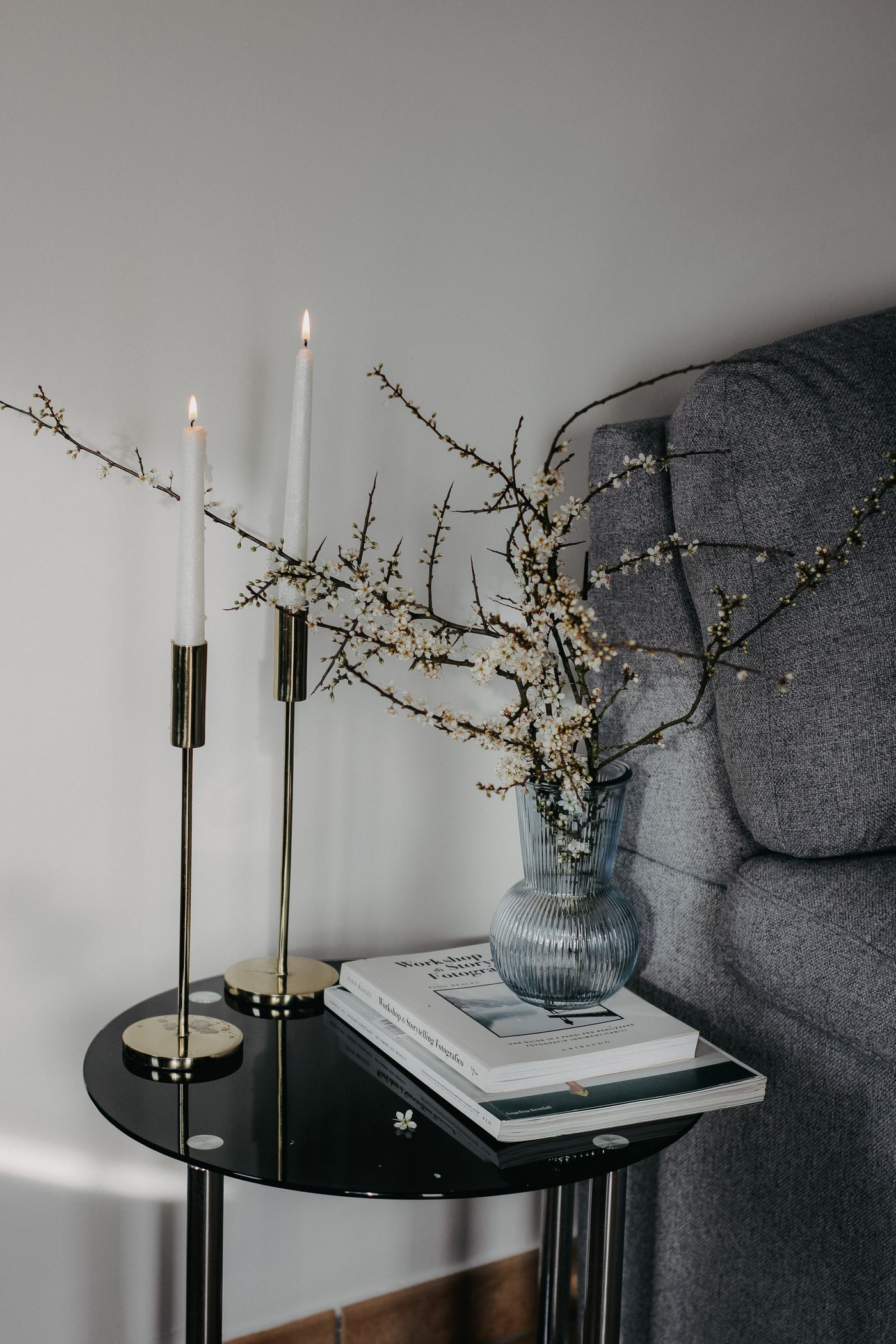
With your key pieces sourced, the next step is assembly. A room filled with items from a single style or era can feel flat. The magic is in the mix. This is where you layer in textures, materials, and accents to create depth and personality. Think of the 80/20 rule: 80% of your pieces should align with your core style thesis, leaving 20% for contrasting elements that add interest.
This means pairing a sleek modern sofa with a vintage rug. Or placing a rustic wooden bowl on a glass coffee table. It's the tension between these elements that makes a space compelling. Even a single, well-chosen piece, like a minimalist ceramic vase, can provide the perfect point of contrast on a reclaimed wood shelf.
Key Takeaway: A truly stylish home feels collected, not decorated. Mix high and low, old and new, and varied textures to create a space with history and personality. This is what separates an interesting home from a showroom.
Advanced Tactics: Identifying Quality That Lasts
You've been there: you buy the cheap, trendy chair because it looks great on Instagram. Six months later, the fabric is pilled and the frame creaks every time you sit down. The lesson is painful but important: aesthetics are only half the story. True style has staying power, and that comes from quality.
When evaluating a piece, look beyond the surface. For furniture, check the materials. Is it solid wood or particleboard with a thin veneer? For upholstery, are the fabrics natural fibers like cotton and linen, or synthetics prone to wear? Check the joinery on wooden pieces and the stitching on textiles. These are the tells of a well-made object. A higher initial cost for a quality anchor piece is almost always a better long-term investment than replacing a cheap item three times. When shopping online, it's critical to read descriptions carefully and understand your rights as a consumer by checking return policies and warranties. The U.S. Federal Trade Commission provides excellent resources for online shoppers to help them make informed decisions and avoid pitfalls, which you can learn more about by understanding your consumer rights.
The Final Polish: What to Do When It's 90% Done
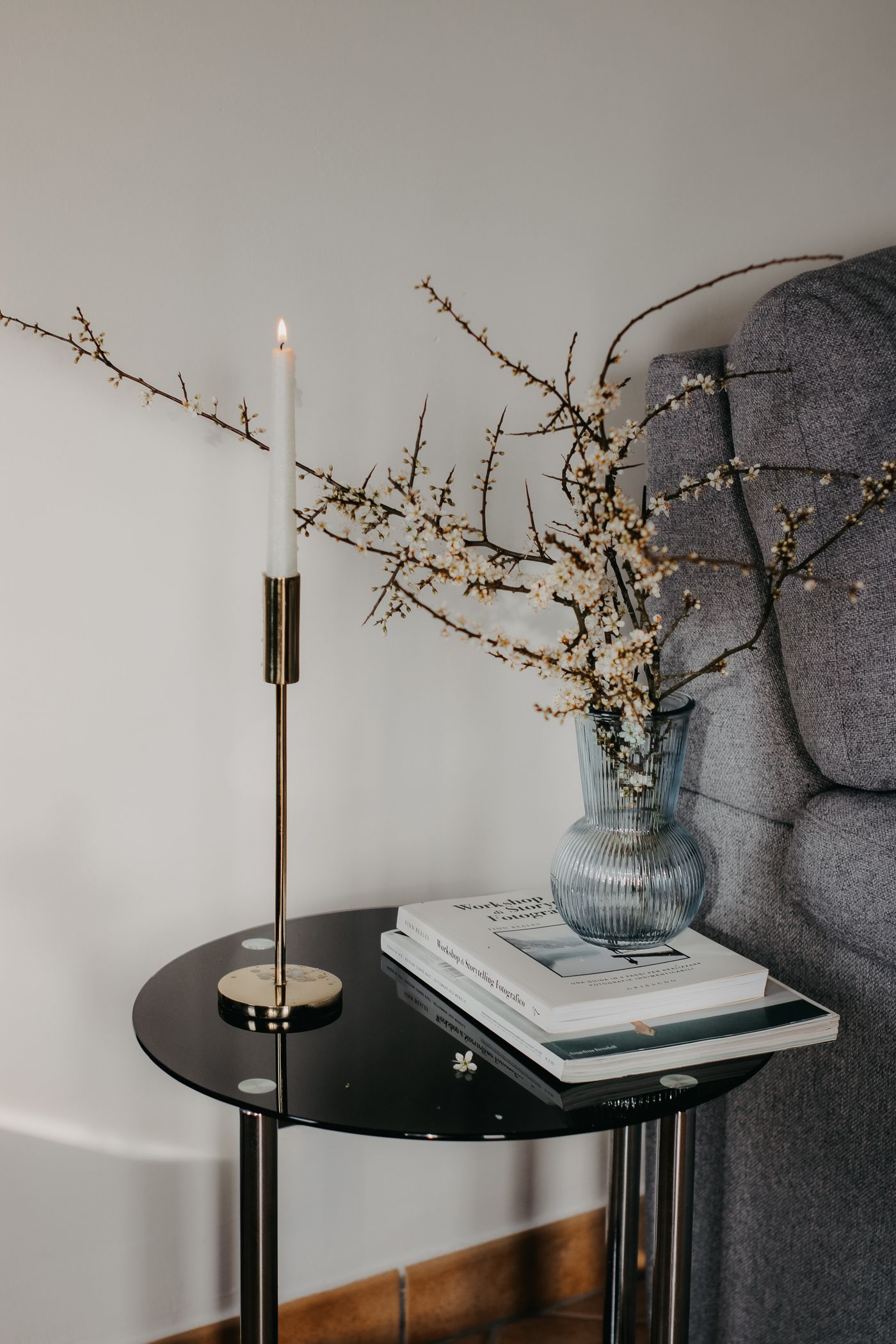
The biggest mistake people make is stopping too soon. You've got the furniture and the rug, but the room still feels unfinished. The final 10% is what elevates a space from 'furnished' to 'finished'. This layer includes lighting, art, and personal objects.
Swap out builder-grade light fixtures for something with more character. Hang art that you actually love, not just something that matches the sofa. And don't forget the power of editing. Sometimes the most stylish thing you can do is take something away, giving the remaining objects room to breathe. This is where a curated shop like Trendy Home Mart comes in, helping you find those specific, unique pieces that provide the perfect finishing touch without adding clutter.
Your Home, Curated
Building a stylish home is a marathon, not a sprint. It's an ongoing process of refinement and expression. By abandoning the trend-chasing cycle and adopting a more strategic, personal approach, you can create a space that not only looks good but also feels authentically you. The goal isn't perfection; it's personality.
Here are the key takeaways to remember:
Define your style thesis first. Know what you're aiming for before you start shopping to avoid costly mistakes.
Invest in quality anchor pieces. Use affordable, trendy accents to add personality and stay current without committing your entire budget.
The magic is in the mix. Combine different styles, textures, and eras to create a dynamic, collected-over-time feel.
Quality is a key component of style. A well-made item will outlast any trend and become a beloved part of your home.
Now that you have a framework, the next step is to explore. If you're looking for unique stylish home goods online that balance quality and modern trends, you can start curating your space at Trendy Home Mart.
Frequently Asked Questions
How do I find my personal home style?
Start by creating a mood board with images that resonate with you, without overthinking it. Look for common themes in color, material, and overall feeling. Are you drawn to clean, open spaces or cozy, layered rooms? This visual data will reveal your core preferences and help you articulate your style.
Are trendy home goods a bad investment?
Not necessarily. The key is to use trends strategically. Reserve your big investments for timeless anchor pieces like sofas and tables. Use smaller, less expensive items like pillows, throws, and decorative objects to experiment with trends. This allows you to keep your space feeling fresh without a complete overhaul every season.
What's the best way to mix different decor styles?
The 80/20 rule is a great starting point. Choose a dominant style for about 80% of your space, then use the remaining 20% for contrasting elements. Another trick is to maintain a consistent color palette across different styles. This creates a common thread that ties disparate pieces together into a cohesive whole.
Where can I find unique stylish home goods online?
Look beyond mass-market retailers. Curated online shops are excellent for finding items that feel special and align with modern aesthetics. At Trendy Home Mart, we focus on sourcing products that blend contemporary design with lasting quality, offering a selection that feels both current and timeless for a discerning global audience.
Featured image: Pexels. Images are illustrative, not endorsements or evidence of product certification.