
You're ready to create a thriving garden, but you're standing in an aisle, or scrolling online, facing a wall of options. It's overwhelming. The truth is, you don't need most of it. You need a few great tools, not a shed full of mediocre ones. We've seen people buy the 20-piece 'starter set' only to have half the tools break before their first harvest. This guide is the antidote. It's the definitive overview of the garden essentials you'll actually use, season after season.
The core garden essentials you absolutely need are a one-piece steel trowel, bypass pruning shears, durable and well-fitting gloves, and a kink-resistant water hose with brass fittings. Prioritizing quality on these few items over buying a large, low-quality set will save you money and immense frustration in the long run.
The Non-Negotiable Foundation: Core Hand Tools
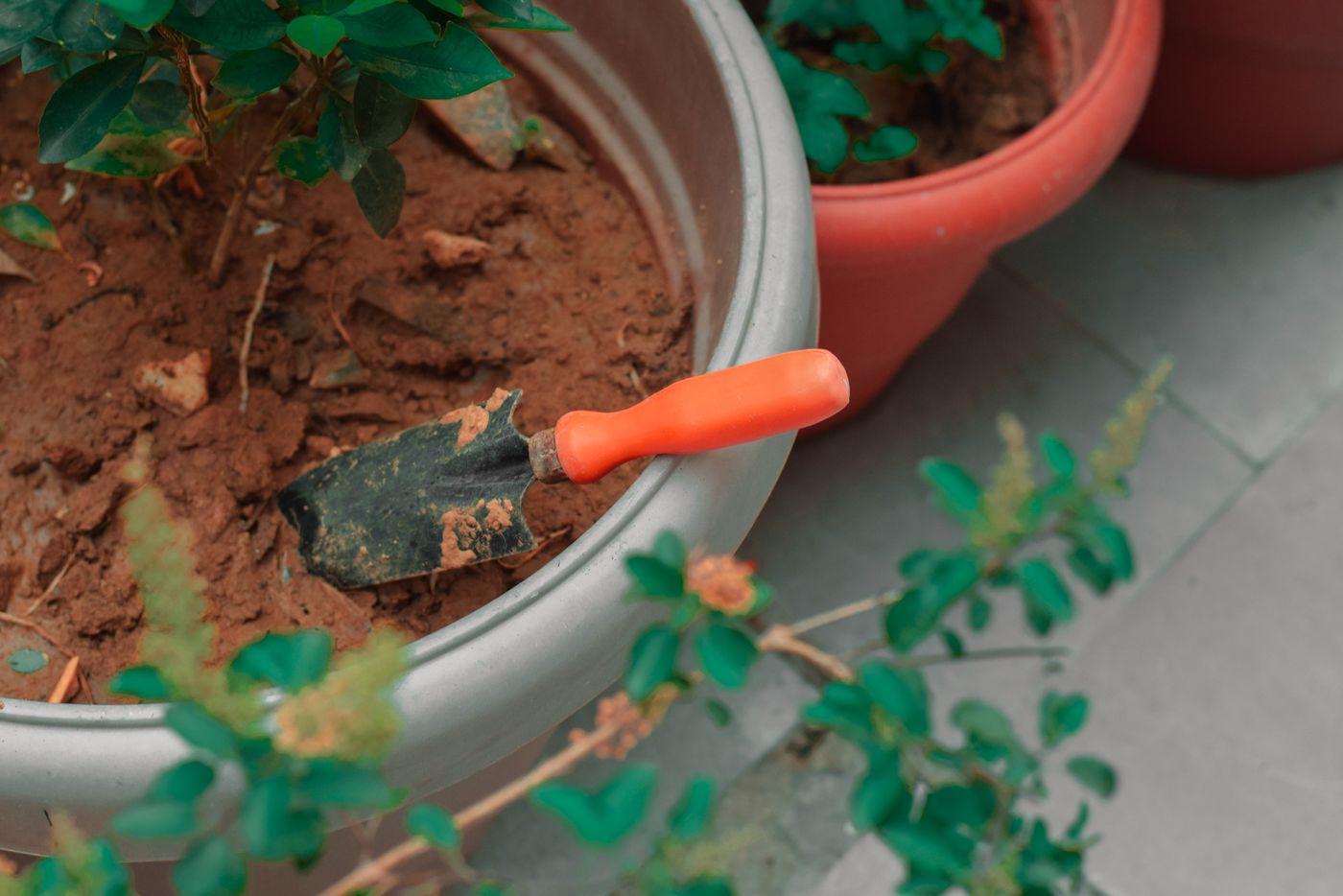
Let's start with the tools you'll hold in your hand most often. This is where quality is not just a preference; it's a requirement for effective work and avoiding painful blisters. We've learned the hard way that saving a few dollars here costs you dearly in frustration and replacement costs down the line.
Hand Trowel
Your trowel is your primary connection to the soil. A cheap one has a handle welded to a flimsy metal scoop. Apply a little pressure in compacted soil, and it will bend or snap. I’ve been there, and it’s infuriating. Look for a trowel forged from a single piece of steel. It's stronger, feels more balanced, and will last a lifetime. Stainless steel is great for resisting rust, but carbon steel, while requiring a bit more care, can hold a sharper edge for slicing through roots.
Pruning Shears (Secateurs)
This is the one tool where you cannot compromise. There are two types: bypass and anvil. Honestly, the move here is bypass pruners, full stop. They work like scissors, with two curved blades passing each other to make a clean, healthy cut. Anvil pruners have one blade that closes onto a flat surface, crushing stems and leaving plants vulnerable to disease. I once used anvil pruners on a prize rose bush and watched the crushed stems turn black. It was a lesson I only needed to learn once. Get good bypass shears.
Gardening Gloves
Don't just grab the cheapest cotton gloves. Think about the job. For delicate work like planting seedlings, you need dexterity, so look for thinner, nitrile-coated gloves. For heavy-duty jobs like clearing brush or handling roses, you need protection. In this case, thicker leather or goatskin gloves are the right choice. Having two pairs is a smart investment.
Key Takeaway: Prioritize quality on the tools you touch most. A great pair of pruners and a solid trowel will bring you joy. A cheap set will bring you blisters and frustration.
Watering Wisely: Beyond the Basic Can
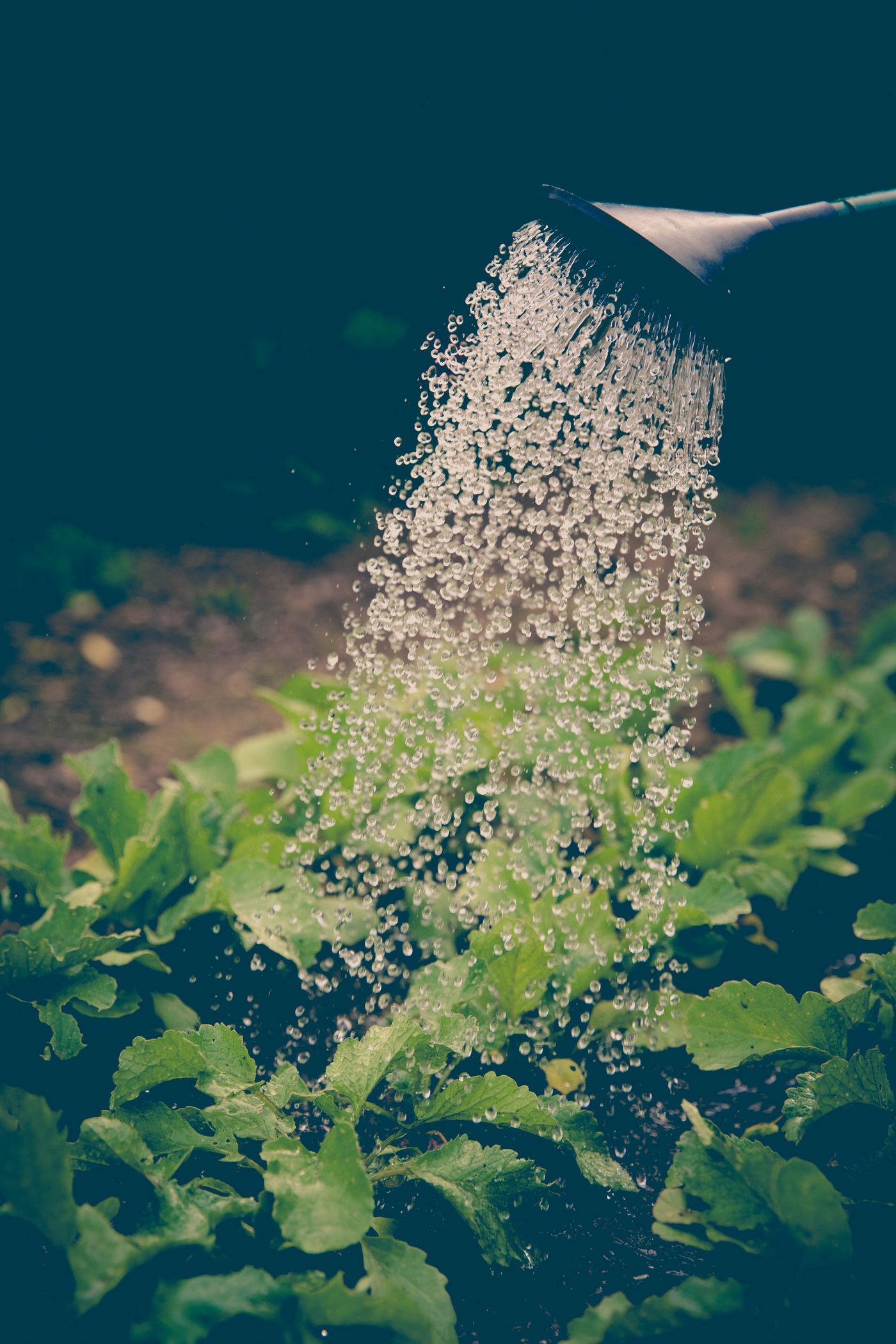
Consistent, proper watering is the secret to a lush garden. The tools you use to deliver that water can make the task a pleasant ritual or a daily struggle. The difference comes down to a few key choices.
The most common point of failure is a cheap, vinyl hose. It kinks, cracks, and the plastic fittings inevitably leak. You'll spend more time fighting the hose than watering your plants. Invest in a high-quality rubber or hybrid polymer hose. They are more flexible, far more durable, and worth every penny. And for the fittings? Brass. Always brass. They don't crack under pressure or degrade in the sun.
Your nozzle choice also matters:
Adjustable Nozzles: A good all-rounder, offering patterns from a fine mist to a powerful jet.
Watering Wands: A non-negotiable for hanging baskets and reaching the back of deep garden beds without trampling plants. It saves your back and delivers water gently to the base of the plant.
Soaker Hoses/Drip Irrigation: For established beds, this is the most efficient method. It delivers water directly to the roots, reducing evaporation and preventing fungal diseases that can come from wet leaves. It’s an advanced move that simplifies your life.
The Heavy Lifters: Tools for Bigger Jobs
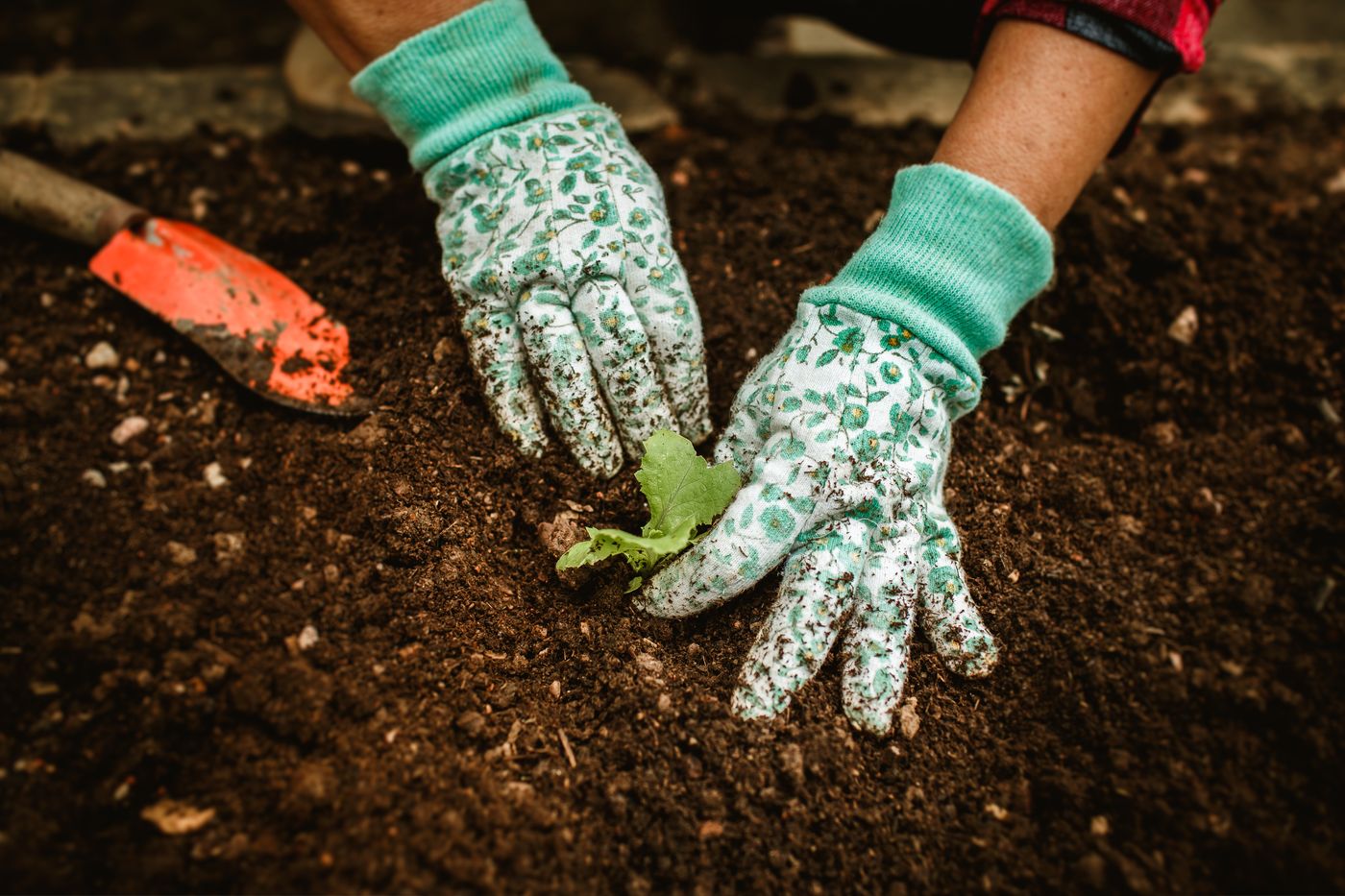
As your garden grows, so will the scale of your tasks. Moving soil, breaking new ground, and turning compost require tools with use and strength. Here's where having the right tool for the job prevents a sore back and gets the work done twice as fast.
Shovels and Spades
People use these terms interchangeably, but they are different tools. A shovel has a scooped blade and is for moving loose material like mulch, compost, or soil. A spade has a flatter, sharper blade and is for digging. If you're breaking new ground or creating clean edges for a bed, a spade is what you need. A round-point shovel is more versatile for general digging and moving. My advice: start with a good D-handle spade.
Garden Forks
Often overlooked, a garden fork (or digging fork) is essential for aerating compacted soil and turning compost. Its tines break up soil with much less effort than a spade and without slicing through every earthworm. Trying to turn a compost pile with a shovel is a clumsy, inefficient exercise. The fork is built for it.
Wheelbarrows and Garden Carts
A team I worked with once tried to save money with cheap, multi-part steel wheelbarrows. The frames wobbled, the bolts loosened, and the pneumatic tires were constantly flat. It was a false economy. For most homes, the sweet spot is a single-wheel model with a sturdy poly or steel basin and a solid or semi-pneumatic tire that never goes flat. It's stable, reliable, and will save you endless headaches.
Tool Comparison: What to Actually Buy
To make this practical, let's break down the common choices. The goal is to land in the 'Smart Buy' category, which balances cost and quality for a toolkit that lasts. This is exactly how we approach curation at Trendy Home Mart.
Tool Category |
The Budget Trap |
The Smart Buy (Our Pick) |
Heirloom Grade |
Hand Tools |
Multi-piece sets with plastic handles and welded necks. They bend, break, and cause frustration. |
Stainless or carbon steel tools, preferably one-piece forged. Comfortable, non-slip grips. |
Hand-forged tools with hardwood handles. Beautiful and will outlive you, but can be overkill for a beginner. |
Pruning Shears |
Anvil pruners or cheap bypass shears with sticky pivots and blades that dull quickly. |
High-carbon steel bypass pruners from a reputable brand. Replaceable parts are a huge plus. |
Japanese-made shears with legendary steel quality. A joy to use for serious horticulturists. |
Water Hose |
Thin vinyl hoses with plastic or aluminum fittings. They kink constantly and leak within a season. |
Heavy-duty rubber or hybrid polymer hose with crush-proof brass fittings. Kink-resistant. |
Commercial-grade rubber hose. Extremely durable but can be heavy and expensive for home use. |
Keeping your garden essentials in top shape is part of the process. If you're ready to build a toolkit that lasts, starting with quality pieces is the best investment you can make. At Trendy Home Mart, we've curated a collection that balances durability, function, and style, so you can skip the trial and error. You can explore our eco-friendly garden essentials shop.
Explore Products at Trendy Home Mart
Explore a folding garden shovel for outdoor tasks, plus a tabletop terrarium and a decorative planter for small-space plant displays. These are related shopping options, not a complete toolkit or substitutes for every tool recommended above. Check each listing for dimensions, materials, care instructions, and intended use.
Frequently Asked Questions
What's the one garden tool I should splurge on?
Bypass pruning shears. Without a doubt. A high-quality pair makes clean cuts that help your plants heal quickly and resist disease. It’s an investment in the health of your entire garden. Cheap pruners crush stems, which is an open invitation for problems you’ll have to fix later.
Do I really need a wheelbarrow for a small garden?
Probably not. For smaller spaces, patios, or balcony gardens, a heavy-duty garden tub or a large, reinforced canvas bag is often more practical. They are perfect for hauling a bag of soil or collecting weeds, and they are much easier to store than a full-sized wheelbarrow.
How often should I replace my garden tools?
With proper care, you shouldn't be replacing quality tools often, if ever. Clean them after use and sharpen blades annually. A good tool is an investment that should last for years, not a disposable item. This philosophy is why Trendy Home Mart focuses on durable, long-lasting garden essentials.
Are expensive garden essentials always better?
Not always, but quality materials and construction cost more. Instead of focusing on price, look for features like single-piece forged steel, heat-treated blades, and solid brass fittings. The 'sweet spot' is often a mid-range tool from a trusted brand that’s built to last but doesn't have the 'heirloom' price tag.
Putting This Into Practice
Building a functional, long-lasting toolkit doesn't have to be complicated. By focusing on quality over quantity, you set yourself up for a more enjoyable and productive gardening experience. Forget the overwhelming aisles and flashy sets; your path forward is simple.
Start with a core four. A solid trowel, quality bypass pruners, good gloves, and a kink-free hose will handle 90% of your gardening tasks.
Don't cheap out on edges or joints. Any tool that cuts, pivots, or connects is a potential point of failure. Invest here to save yourself immense frustration.
Buy for the garden you have. A small balcony garden has different needs than a half-acre plot. Be realistic about the scale of your work.
Maintain your investment. Cleaning and sharpening your tools isn't just for professionals. It’s a five-minute job that extends the life of your tools from a single season to decades.
Featured image: Pexels. Images are illustrative, not endorsements or evidence of product certification.